

WomensGolf.com Discovery Slider v3.3
Members only coaching built for women golfers Built for women golfers Learn More →
No ads. No endless searching. No random tips. No ads. No random tips. Find Your Path →
Finally know what to work on next in your golf game Know what to work on next Get Recommendations →
Trusted lessons from women instructors, organised around you Lessons built for you Explore Membership →
Never lose a lesson again. Save videos to your own library.

Where Should Your Eyes Focus When You Swing?

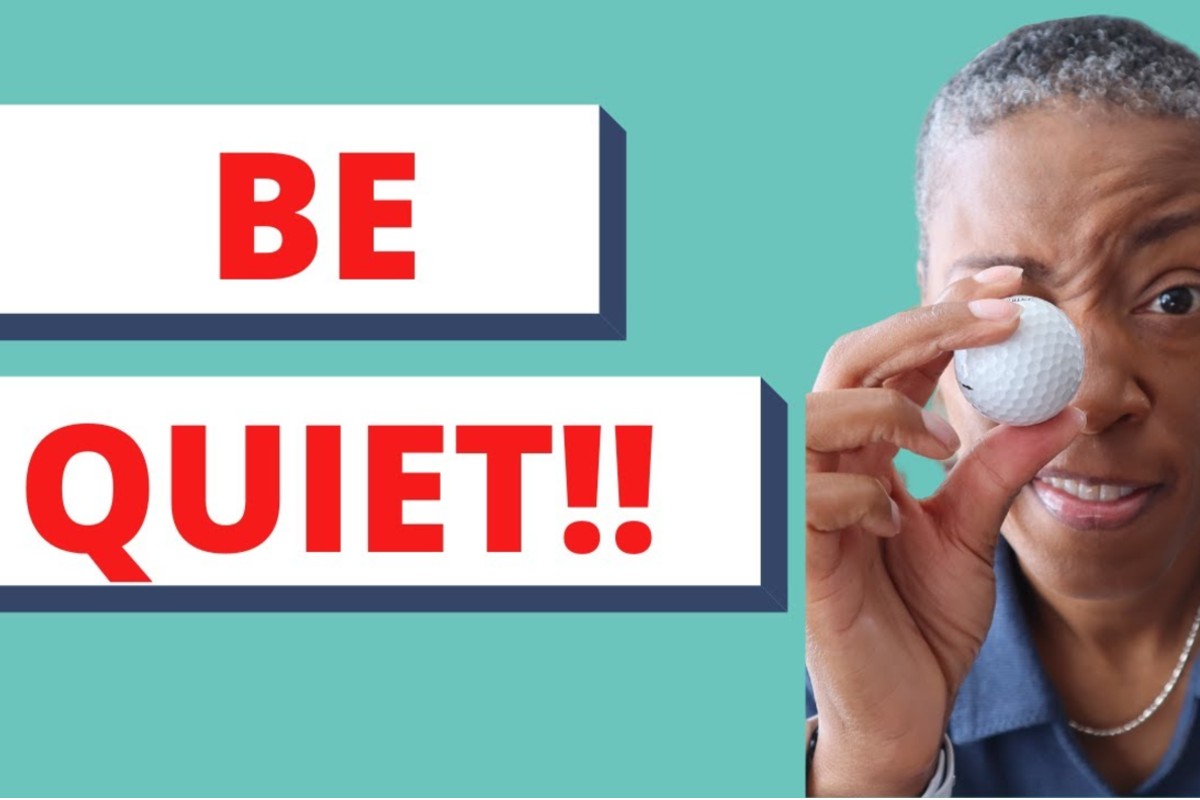
Dr. Greta Anderson introduces the Quiet Eye - a sports psychology concept that is proven to help improve ball striking for golfers.

Today we are going to introduce both the concept and the value of the quiet eye in golf. The research and science in golf tells us clearly that it makes a huge difference if we know what to do, and what not to do with our eyes.

Exactly where are you looking when you are hitting the ball? Some will confess that they have no idea and others will tell you ‘somewhere on the ball’, ‘I’m not quite sure’. ‘behind the ball’ ‘in front of the ball’, the answers are numerous.

Ideally, we want to be looking at the ball, but very specifically on the ball but before we get to exactly where on the ball, we want to look, we want to really understand why eye control and eye movement is so important in the golf shot.

There’s a technical term called saccade. We don’t need to really worry about that term but we do need to understand what it means. Saccade is about the rapid jerky motion of the eye, the unsettled eye when you’re trying to focus on something. So for example, in a golf shot, we’re really trying to focus on making a golf shot. But a lot of the time, our eyes are jumping around, we’re looking at the ball, we’re looking behind the ball, we’re looking in front of the ball, we’re looking at the club head, all within those the one or two seconds when we’re preparing to make impact with the ball.

The best players in the world will tell you that when they’re preparing to strike a ball, they can only see one thing. In fact, many of them can tell you exactly which dimple on the ball they focus on. Many of us will never get to that level, and that’s perfectly fine but we do want to develop the habit of training our quiet eye.

So we really need to understand where we’re looking on the ball. Begin by practicing looking at the back of the ball and just keeping still. Ultimately you’ll get to a point where you can identify the dimple on the ball and have that all important quiet eye.


Every golfer’s game is different. That’s why Women’s Golf members receive my personalised lesson recommendations based on their goals, challenges and experience. Tell me about your game and you'll know exactly what to work on next.
Jane Filing women's golf
What would you like to
improve in your game?

Live Lesson Favorites

Videos currently being watched by Women’s Golf members

Throw Out Your 3 Putts Kristin Walla
Control Your Distance to Stop 3 Putting
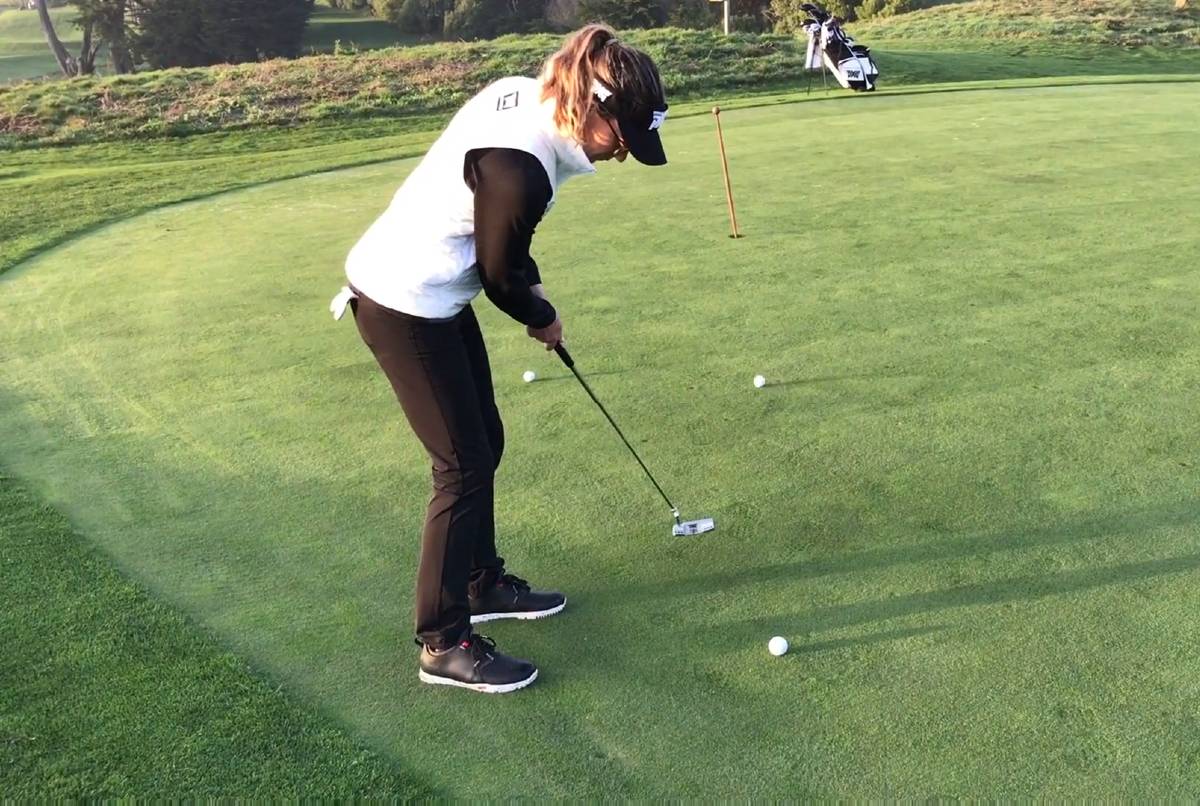
Kristin Walla demonstrates a simple drill to reduce your 3 putts! Those things kill your score. Connect your distance perception to your distance control and be more instinctive when you putt.
Master the Greenside Bunker Shot - Trillium Rose
Get Out of Greenside Bunkers Every Time
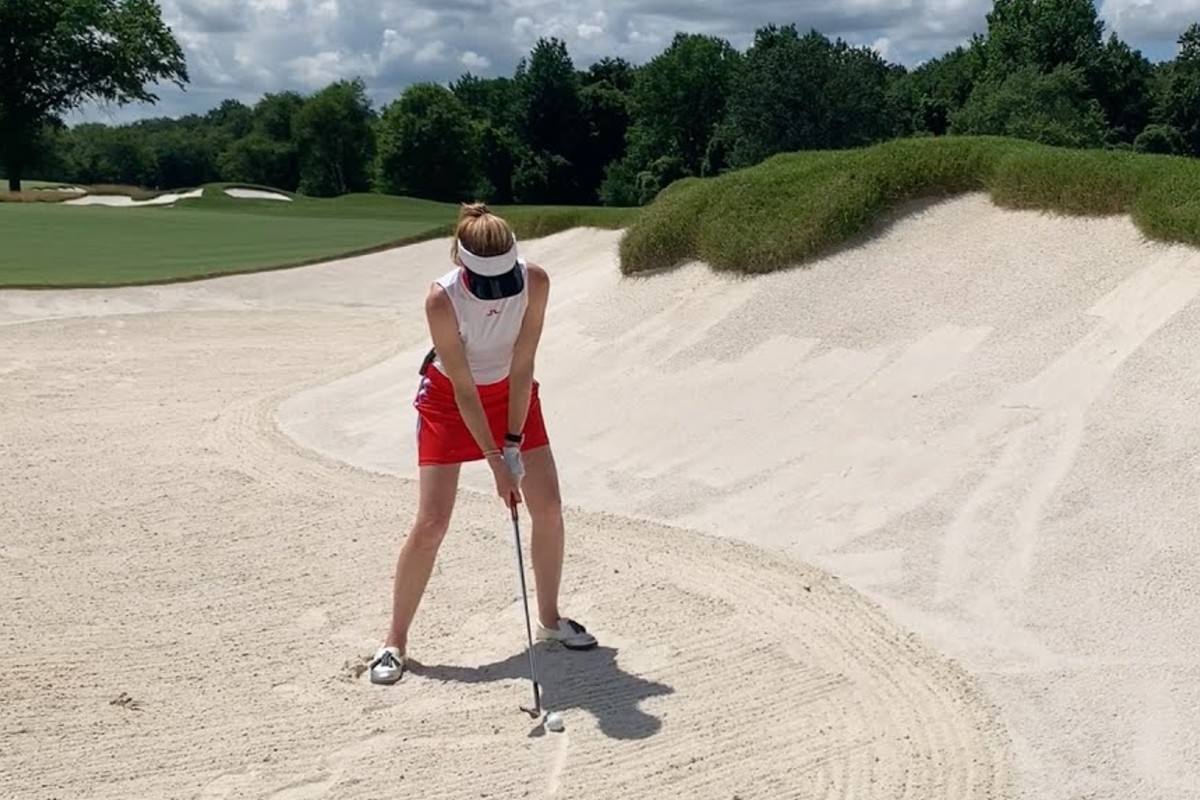
LPGA Instructor Trillium Rose shows you how to make sure that you get your sand shot out when you're facing a high bunker face not far from the pin.
Green Reading like a Pro - Aimee Cho
Read the Green Like a Pro Golfer
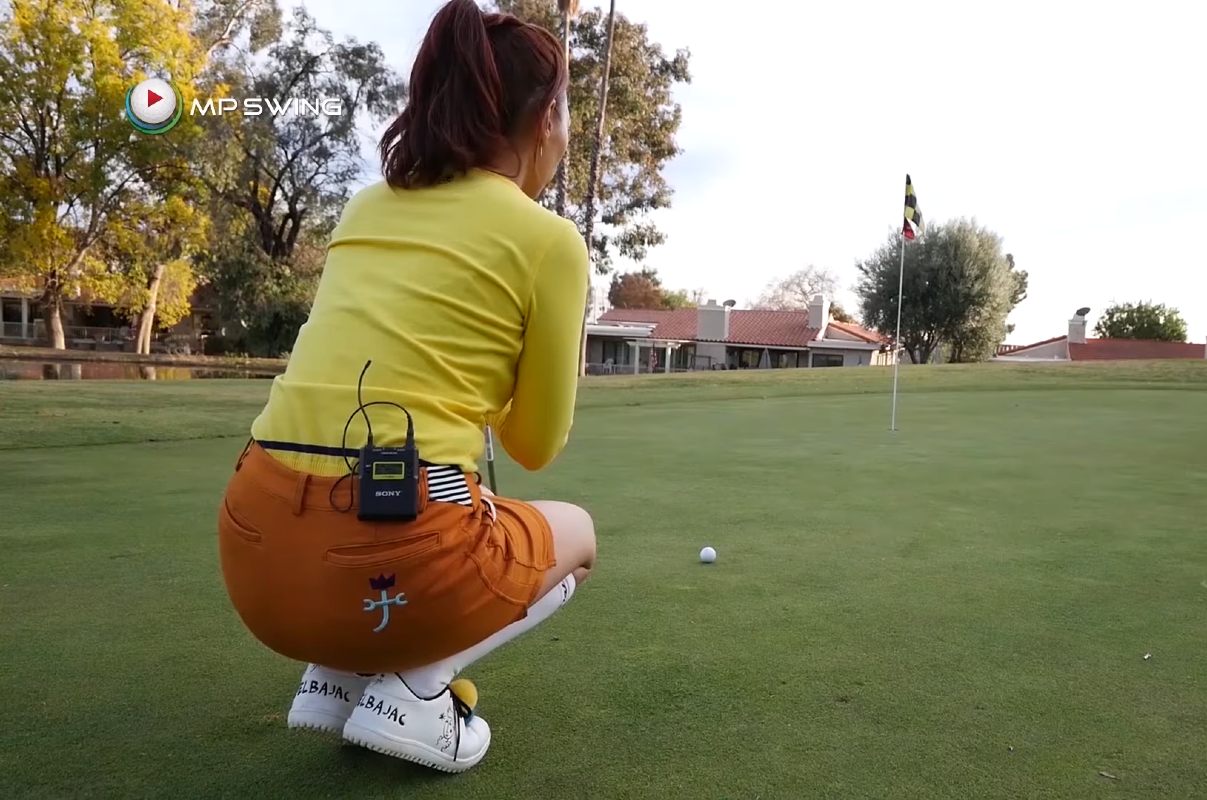
Stop guessing on the green. LPGA Instructor Aimee Cho shares her step-by-step routine for reading a putt. Learn to identify the break, choose your speed, and create a solid game plan that will help you sink more putts.

Here's Your Next Lesson

Full Swing
Short Game
Putting
Strategy & Psychology
Bunkers
Golf Fitness
Equipment, Rules, Etiquette
Stop Disconnecting The Secret to a Perfect Golf Takeaway - Christina Ricci - Womens Golf
Stop Disconnecting: The Secret to a Perfect Golf Takeaway
Getting disconnected right out of the gate is a common tendency that completely messes up your clubface and ruins impact. Christina Ricci shows you how to properly rotate your chest in posture to maintain a tight arm-to-torso connection during the takeaway.
Already a Member? Login

Example Recommendations

Hi Robyn,

Thank you for sending in your member game profile. It really helps me point you to the most useful lessons for where your game is right now.

Fairway woods at a 10-19 handicap is such a valuable area to tighten up and there is a really strong library to draw from.

Jane Filing
Jane Filing Jane@WomensGolf.com

Guest lessons are limited – Join for full benefits

Skip the Password