

WomensGolf.com Discovery Slider v3.3
Members only coaching built for women golfers Built for women golfers Learn More →
No ads. No endless searching. No random tips. No ads. No random tips. Find Your Path →
Finally know what to work on next in your golf game Know what to work on next Get Recommendations →
Trusted lessons from women instructors, organised around you Lessons built for you Explore Membership →
Never lose a lesson again. Save videos to your own library.

How to Hit Down on the Ball

Erika Larkin demonstrates the crucial concept of the "low point." Learn why hitting the ball on the way down is the secret to professional-level ball striking and how your body position dictates where your divot begins.

Lesson Notes: Mastering the Swing Low Point

The Goal: To achieve consistent “ball-first” contact by understanding that the club should reach its lowest point (the swing bottom) slightly after impact.

The “Swing Bottom” Framework:

  • Catch the Ball on the Way Down: Effective iron play requires hitting down, but the ball must be placed just before the lowest point of the swing circle.
  • Ideal Low Point: For most stable shots, the bottom of the swing should occur in the front third of your stance (toward the target).
  • Body-Swing Connection: The low point naturally follows your body. As your energy moves toward the lead side during impact, the swing bottom moves with you.
  • Neutral Ball Position: For wedges and short irons, place the ball in the middle of your stance to ensure it is caught just before the club begins to move upward.

The “Neutral Framework” Checklist:

Before swinging, verify your ball position and weight distribution. If these are off, you will be forced to “manipulate” the club face mid-swing to make contact, leading to inconsistency.

FAQ

Q: What causes a divot to happen behind the ball?

A: This is usually caused by “hanging back” on your trail side or an excessive “in-to-out” swing path. When your weight doesn’t move toward the target, the club bottoms out too early, hitting the turf before it reaches the ball.

Q: Can I hit too far down on the ball?

A: Yes. If your swing path is too “out-to-in” or your body gets too far out in front of the ball, you may hit down too steeply. This creates trajectory and balance issues, often resulting in “thin” or “smothered” shots.

Q: Why does ball position affect my swing path?

A: You naturally react to the ball. If it’s too far back in your stance and you aren’t aware of it, your body may instinctively move backward or shift its aim to compensate. This introduces unnecessary manipulation instead of a simple, stable strike.

Q: Where should my divot start ideally?

A: Ideally, your divot should start right at the front edge of the golf ball and extend toward the target. This confirms you have caught the ball on the downward arc of your swing.


Already a Member? Login

Live Lesson Favorites

Videos currently being watched by Women’s Golf members

Do this Before You Play a Greenside Bunker Shot - Kellie Stenzel - Womens Golf
Do this Before You Play a Greenside Bunker Shot
Going from a full swing with a fairway wood or long iron to a soft greenside bunker shot can lead to thin contact. Kellie Stenzel shares a simple, crucial pre-shot routine.
How to choose a club that will get you over the lip in a fairway bunker - Pro Golf Gals - Womens Golf
How to Choose the Club to Get Over the Lip in a Fairway Bunker
Anne and Dennise share a simple, non-foolproof, but highly effective visual trick to quickly understand the flight characteristics (height and distance) determined by the loft of different clubs. Understanding loft is critical for proper course management,...
Keep Your Club Low for Better Ball Striking with the Six-Inch Drill - Debbie OConnell - Womens Golf
Keep Your Club Low for Better Ball Striking with the Six-Inch Drill
Consistency in golf starts with a reliable takeaway. Debbie O'Connell teaches the one-piece takeaway, a technique that engages your largest muscles to ensure your arms, hands, and club move in perfect harmony. By learning to keep the club low to the ground...

Here's Your Next Lesson

Full Swing
Short Game
Putting
Strategy & Psychology
Bunkers
Golf Fitness
Equipment, Rules, Etiquette
How to Train Perfect Putter Face Control at Home or on the Practice Green - Nathalie Sheehan - Womens Golf
How to Train Perfect Putter Face Control at Home or on the Practice Green
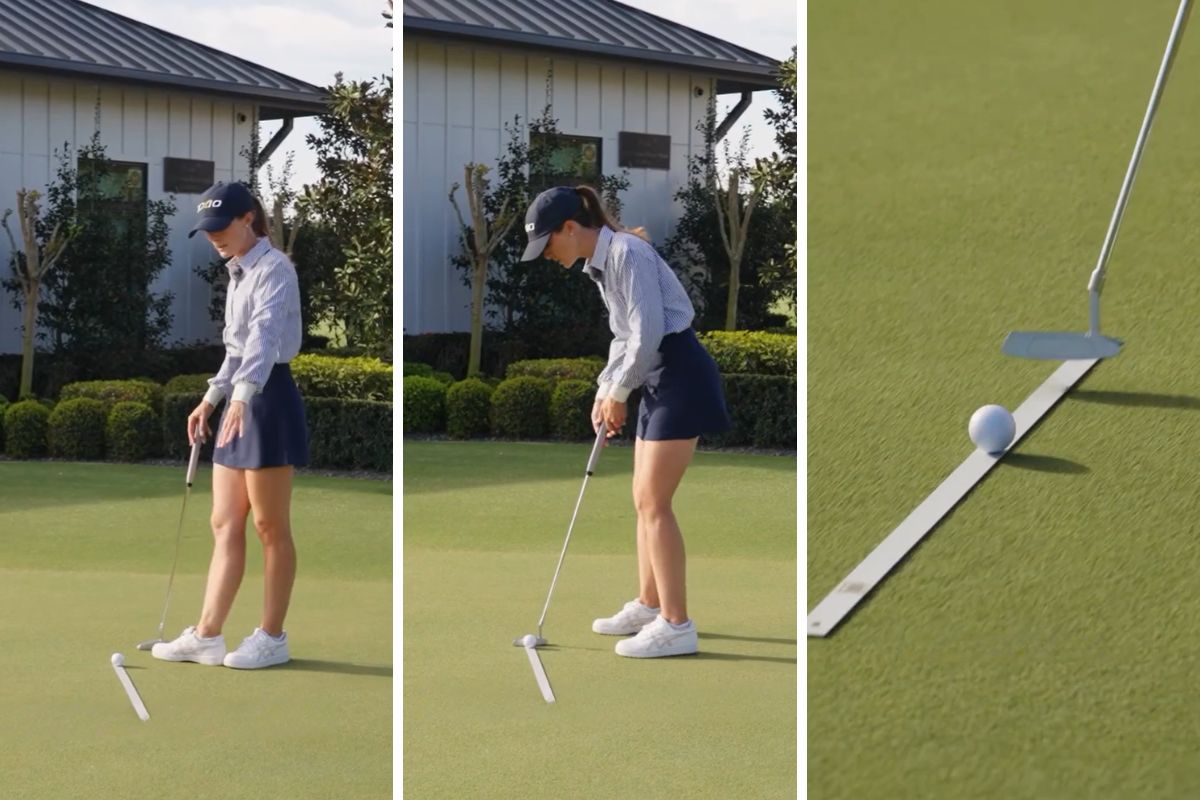
Struggling with inconsistent putting? LPGA Instructor Nathalie Sheehan shares a simple metal yardstick drill you can practice anywhere to train square impact, perfect face control, and start rolling in more putts.

Tell Jane what you’d like to improve and receive recommended lessons and pathways from our library of 1,300+ lessons.

Not sure what to work on next? Our step-by-step improvement pathways bring together the best lessons in a logical order, helping you focus on the right skills and improve faster.

Your Golf Community Is Waiting

Your weekly game Plan

Every weekend Jane sends an email to members with lessons to focus on, golf tips, and highlights from the Women’s Golf Group to help you keep improving.

Example Recommendations

Hi Robyn,

Thank you for sending in your member game profile. It really helps me point you to the most useful lessons for where your game is right now.

Fairway woods at a 10-19 handicap is such a valuable area to tighten up and there is a really strong library to draw from.

Jane Filing
Jane Filing Jane@WomensGolf.com

Our personalised lesson recommendations and step‑by‑step improvement pathways are designed especially for women who are new to golf. They bring together the right lessons in the right order, helping you build confidence, develop solid fundamentals, and enjoy steady progress from your very first steps.

Guest lessons are limited – Join for full benefits

Skip the Password