
Show/Hide Notes and Q&A
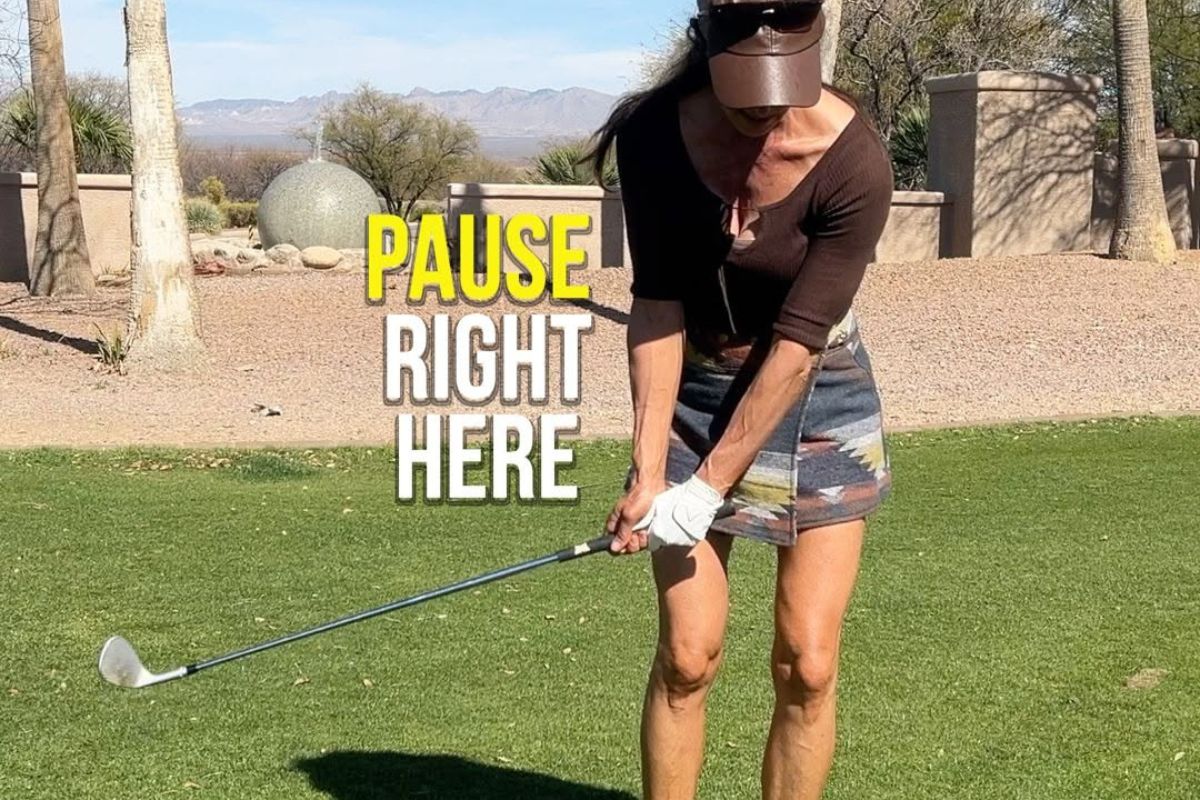
The Low Trajectory Setup: To keep the ball low, play it back in your stance toward your back foot. Lean your weight toward the target and keep the club handle ahead of the ball.
Executing the Low Shot: Keep the clubface square and avoid any “fancy hinge” with your wrists. Simply rotate your chest back and through, ensuring your weight starts left and stays left throughout the motion.
The High Trajectory Setup: When you need the ball to go higher and stop quickly, play the ball toward your front foot. Open your stance slightly and open the clubface to add loft.
Executing the High Shot: Unlike the low shot, you want to add some hinge to the wrists during the swing. Keep your weight on the front side and aim for a higher finish to help the ball land softly.
Avoiding the “Double Whammy”: Be careful not to play the ball too far forward while also opening the face excessively unless you are clearing a major obstacle like a bunker. For a standard high chip, playing it in the middle of the stance with an open face and a little hinge is often the safest play.
The Goal: By mastering these two setups, you create “vacation chips”—simple tap-ins that leave you with literally no stress on the green.
Questions and Answers
Q: When should I choose the low trajectory chip?
A: Use the low shot when you have plenty of “runway” (green) between you and the hole, as the ball will roll more once it lands.
Q: Why do I keep my weight on my left (front) side for both shots?
A: Keeping your weight forward ensures a crisp strike and prevents you from “scooping” at the ball, which usually leads to thinned or chunked shots.
Q: How do I stop the ball quickly if there is no green to work with?
A: Play the ball up in your stance, open the clubface, and add wrist hinge. This creates a higher flight with a much softer landing.






![Ready to get your game in shape] popup](https://womensgolf.com/wp-content/uploads/2025/12/Ready-to-get-your-game-in-shape-popup.jpg)