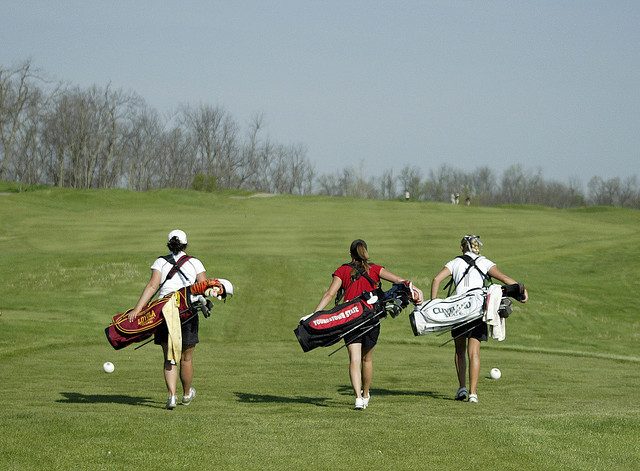
Throughout my business as a college recruiting consultant I have had the opportunity to talk to and spend time with a lot of college coaches. I met some of the coaches when we were just 9 or 10 years old playing in junior golf tournaments. Others I met throughout my collegiate and professional golf career, and many more I have connected with since starting my business. If there is one thing that is certain, it is that no two college coaches are alike. There are so many different personalities, philosophies, backgrounds and styles that make each coach unique. This also makes navigating the college recruiting process difficult because it can be tough to figure out what the coaches are looking for and which one will be a good fit for you.
Despite their differences, as I have conducted numerous Q&A’s with coaches at all division levels, there has been consistent feedback from the majority of the coaches. I have compiled the best responses to some of the most frequently asked questions and wanted to share a few of them with you. Keep in mind, all coaches look for different attributes with their recruits and have different likes/dislikes but I tried to include answers that I tend to see most often. These are responses from five Division I Head Women’s coaches with great reputations in the college golf industry.
What is the biggest mistake you see families make through the process?
“The parents talk more than the players talk. It is really important for a coach to get to know the player. That is who we are going to be spending the time with to develop and be a part of the team. Don’t be afraid to talk about your weaknesses. Every coach knows players have weaknesses and I would like to hear players acknowledge them so they know they have something to work on. Again there is no perfect and I never expect my players to be perfect.”
“I guess it would be that they get too narrowed in on schools too quickly and for the wrong reasons. There are a lot of great programs out there and a lot of great coaches who are knowledgeable and care about their players. In the four years you are at school, only a few teams will win the NCAA Championship. You don’t have to be on that team to prepare yourself for life after college. If you want to keep playing, find a coach who has a record of improving her players. If you want a great job, find a school that allows you to network.”
When you watch a player at a tournament what are things you look for?
“Preparation before the start of the round, course management, pre-shot routine, how they react and bounce back from a bad shot or a bad hole, how they treat their parents and playing partners during the round.”
“Attitude, good ball striking, how they handle bad play and their parent’s reactions.”
“Good fundamentals, good on course temperament, parents who are not emotional and overly involved.”
What other advice would you give a junior golfer and/or parents who are going through the process?
“Love the game and not the achievements. Find a coach who loves the game as much as you do. Go some place where you can play, because it is rare to improve when you aren’t playing tournaments. Find a place to play where the players feel like they ran out of time at the end of four years. Avoid places where the players can’t wait to leave.”
“Be yourself. Don’t try to be something that you are not because in the end your happiness at a University depends a lot on the fit with the team and coach.”
How important is fitness and nutrition with junior golfers?
“It is crucial and ignored all at the same time. It’s just lucky kids are young and move well more naturally. The sooner they learn how to work out in a way that will help them move efficiently and how to get proper nutrition, the better. By the time they get to the tour, they are already starting to break down and lose energy. That is when the importance of proper fitness and diet really becomes clear. Almost every tour player feels that those are priorities in his or her life.”
“What I see more than anything is not what they eat, it’s that they don’t need it all. And you know there’s extremes where I’ve seen college coaches who give players a bag of food at the start of a round and if it’s not empty when they get done then they have to run and do all of this other stuff. I mean, that is pretty hard-core. But at the same time, it’s unrealistic to think that you can do something for five or six hours and not feed your body. So we do have a nutritionist who we work with. It’s all about education; kids have so much more information than we had when we were coming along.”
How can a junior golfer better prepare for college golf?
 “You know there are some things that you just can’t prepare for and I would say more than anything you need to prepare because it’s going to be hard. There are going to be times when you want to go home or you want to quit and just expect that it’s going to be hard so that when you encounter some adversity and things are hard it’s not a gut punch. I encourage kids to have good grades and work hard academically because wherever you go to college it is more than likely going to be more difficult than where you went to high school.
I encourage kids not to procrastinate, that is a killer in college because it’s just hard to get caught up. So if you can be in a habit of “first things first” and taking care of what you need to take care of, then you are just going to be ahead of the curve when you get to college. And there’s a USGA initiative to tee it forward, but I say you tee it back because college courses are just tough. It’s not even that the yardages are that much longer, but it’s that time of year, you’re playing in fall and spring and golf courses can play long and tough. So I encourage them to test themselves, play 6300, 6400, 6500-yard courses. Play in the bad weather.
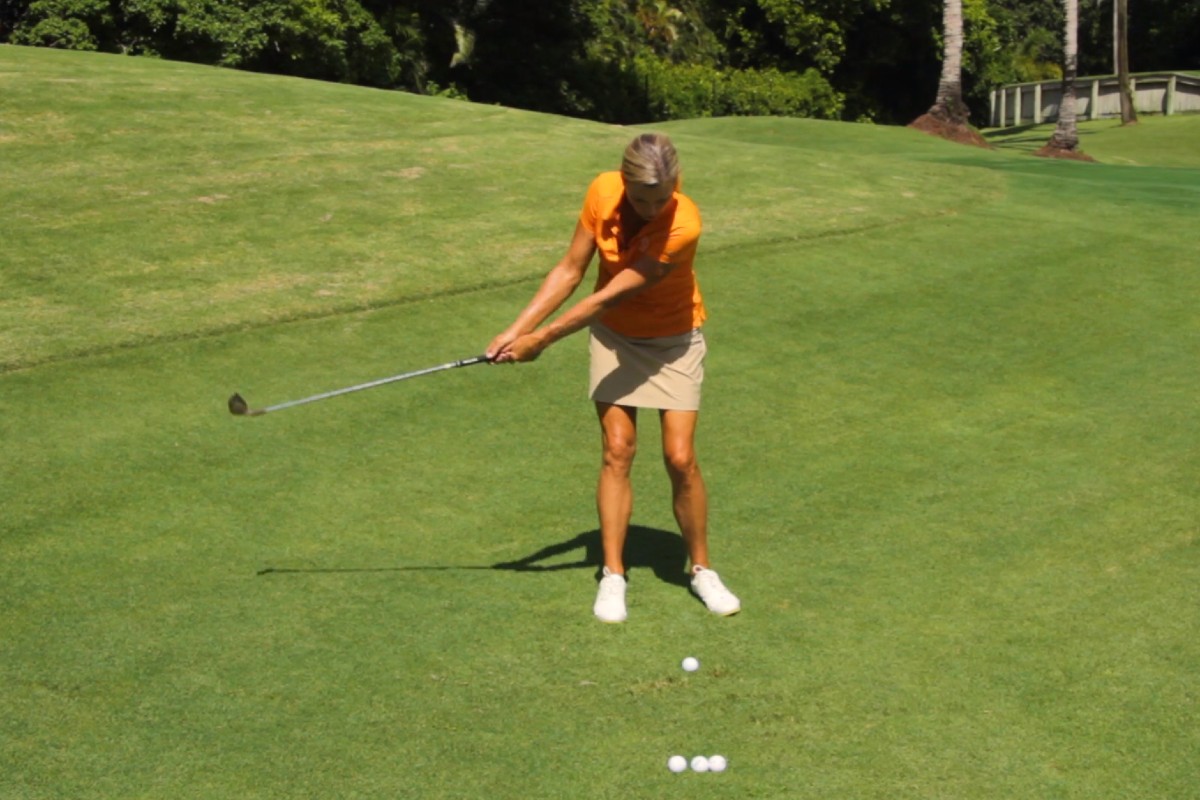
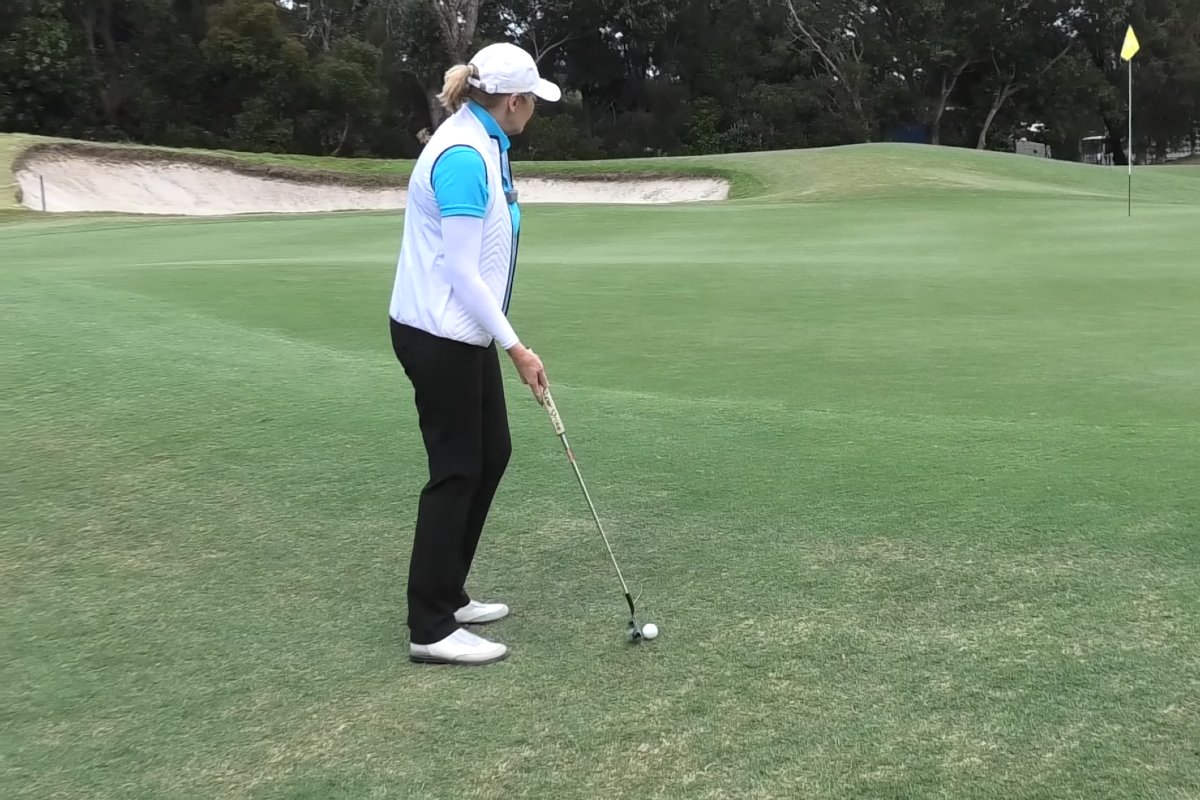
Short game, short game, short game, keep working on that short game. It never fails that when our kids are given the option of where to practice they head straight to the tee and want to beat balls but when we have team practice we spend almost all of it around the greens and that’s because through our experience we know that a well-developed short game is going to win out, it’s how you score. I’m pretty sure that’s what the game of golf is all about, that bottom-line. So I encourage kids to keep working on that short game. It’s great to have a fundamentally strong golf swing and you need to be able to hit solid golf shots but at the end of the day it’s how you get it in the hole and that’s where you are going to spend most your time in college golf practice.”
Images in this story
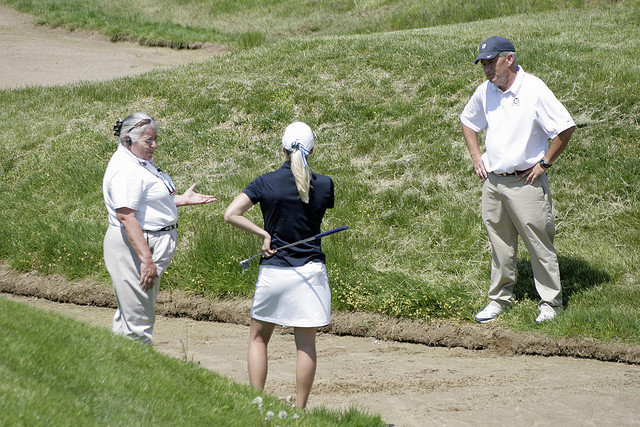
Feature image courtesy of Horizon League, licensed under Creative Commons.
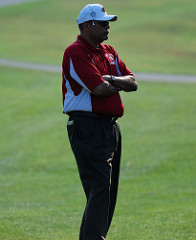
Photo of NCAA Coach Tye Thompson licensed under Creative Commons.
 Brandi Jackson had a stellar collegiate career at Furman University, then she went on to play professionally for 8 years on the LPGA and Symetra Tour. In 2012 Brandi was inducted into the Furman University Athletic Hall of Fame and she serves on the Board of Directors for The Blade Jr Classic. She runs her own business out of Greenville, South Carolina where she consults junior golf families all over the world on competitive junior golf and the college recruiting process. For more information on Brandi Jackson visit her website at www.brandijacksongolf.com and follow her on Twitter @bjacksongolf.
Brandi’s Golf Recruiting 101 Newsletter
If you would like to receive more information about college golf recruiting and competitive junior golf, you can receive Brandi’s Golf Recruiting 101 newsletter by visiting www.brandijacksongolf.com to sign up.